A bright, confident smile isn’t just about aesthetic looks—it is one of the most reliable indicators of your overall oral health, systemic well-being, and personal confidence. Whether your goal is to keep your natural teeth sparkling clean, avoid expensive dental complications, or upgrade your daily dental care routine, small and consistent daily habits make a lasting difference.
Quick Takeaway: Good Dental Hygiene Checklist
- Twice-daily brushing: Brush for a minimum of 2 full minutes with fluoride toothpaste.
- Interdental cleaning: Floss at least once every day before bedtime.
- Rinsing with plain water: Swish water after consuming coffee, tea, or acidic fruits.
- Routine check-ups: Schedule clinical check-ups and cleanings every 6 months.
Part 1: The Core Daily Hygiene Rituals
Establishing proper mechanical cleaning habits is the foundation of preventing plaque buildup, gingivitis, and tooth decay.
1. Master the 2-Minute Brushing Technique Twice Daily
Brushing twice a day is the foundation of oral care, but technique matters just as much as frequency. Most people rush through brushing in under 45 seconds, leaving plaque behind along the gumline and rear molars.
- Use a soft-bristled brush: Hard bristles can wear down enamel and cause irreversible gum recession. Choose soft or ultra-soft bristles and replace your brush every 3 months.
- Hold at a 45-degree angle: Angle your bristles toward the gumline and clean with gentle, circular vibrating strokes rather than aggressive back-and-forth sawing.
- Don’t forget your tongue: Gently brush or scrape your tongue from back to front to eliminate odor-causing anaerobic bacteria.
2. Never Skip Daily Flossing — Clean Between Your Teeth
A toothbrush only cleans about 60% of tooth surfaces. The remaining 40% lies tight between teeth, where food particles and plaque accumulate out of reach of bristles.
- Floss once daily: Flossing before bedtime prevents bacteria from feeding undisturbed while your salivary flow decreases during sleep.
- Use the C-Shape technique: Gently curve the floss snugly against the side of each tooth and slide it slightly below the gumline.
- Don’t snap the floss: Avoid snapping the thread forcefully onto your gums, which can cut the delicate papilla tissue.
- Try interdental aids: If traditional string floss is difficult, use orthodontic floss threaders, interdental brushes, or water flossers.
3. Incorporate Mouthwash for Extra Protection
An antimicrobial or fluoride therapeutic mouthwash acts as the ideal finishing touch to your mechanical cleaning routine. It reaches microscopic crevices throughout the oral cavity that brushing and flossing might miss.
- Fight bad breath & bacteria: Therapeutic mouth rinses kill odor-causing anaerobic bacteria on your tongue, cheeks, and palate.
- Choose alcohol-free: Alcohol-based rinses can cause dry mouth (xerostomia), which actually exacerbates bacterial growth.
- Timing tip: Avoid rinsing with water or mouthwash immediately after brushing; wait 20–30 minutes so the concentrated fluoride from your toothpaste remains on your enamel.
Part 2: Diet & Lifestyle Choices for Whiter Teeth
What you put into your body directly impacts the mineral balance of your teeth and the brightness of your smile.
4. Limit Sugary and Acidic Foods & Beverages
Oral bacteria thrive on fermentable sugars and carbohydrates, producing harsh acids as a byproduct that dissolve protective enamel. Acidic beverages further accelerate this erosion, leaving teeth sensitive, thinned, and yellowed.
- Watch out for sneaky acids: Soda, sports drinks, wine, citrus juice, and flavored sparkling waters have high acidity levels.
- Use a straw: Drinking through a straw directs acidic liquids past your anterior teeth, reducing direct enamel contact.
- Rinse with plain water: Swish water around your mouth immediately after consuming sweet treats or acidic foods.
- Wait before brushing: Never brush immediately after acidic foods—wait 30 minutes until your saliva naturally re-hardens the softened enamel.
5. Stay Hydrated — Nature’s Natural Cleanser
Drinking adequate amounts of water throughout the day is one of the simplest yet most overlooked dental health boosters. Water continuously washes away lingering food particles and dilutes bacterial acids.
- Boosts saliva production: Saliva is your mouth’s first line of defense; it contains calcium, phosphate, and antibacterial enzymes.
- Prevents dry mouth: Chronic dehydration promotes rampant tooth decay and persistent bad breath.
- Hydrate between meals: Sips of water throughout the day keep oral pH balanced and your smile feeling clean.
6. Eat a Tooth-Friendly, Crunchy Diet
Whole foods provide the essential micronutrients needed for strong jaw bones and sturdy dental enamel, while fibrous textures offer a natural mechanical scrubbing effect.
- Crisp fruits & vegetables: Apples, carrots, and celery stimulate healthy saliva and gently polish tooth surfaces as you chew.
- Dairy & calcium-rich foods: Milk, cheese, and yogurt are rich in calcium and casein, which fortify enamel against demineralization.
- Nuts & seeds: Almonds and sesame seeds provide vital phosphorus and magnesium without harmful added sugars.
7. Avoid Tobacco & Paan Products
Smoking cigarettes, vaping, and using chewing tobacco or paan masala are severely destructive to oral aesthetics and health. Nicotine and tar create stubborn extrinsic stains that turn enamel yellow or dark brown.
- Severe gum disease: Tobacco users are up to 6 times more likely to develop severe periodontitis and suffer premature tooth loss.
- Impaired healing: Smoking restricts blood flow in the gums, compromising healing after extractions, dental implants, or cleanings.
- Oral cancer risk: Quitting tobacco is the single best decision you can make for your systemic longevity and oral health.
Part 3: Professional Dental Care & Long-Term Protection
Home care is crucial, but it works hand-in-hand with specialist dental guidance to keep your teeth healthy for life.
8. Schedule Regular Biannual Dental Check-ups
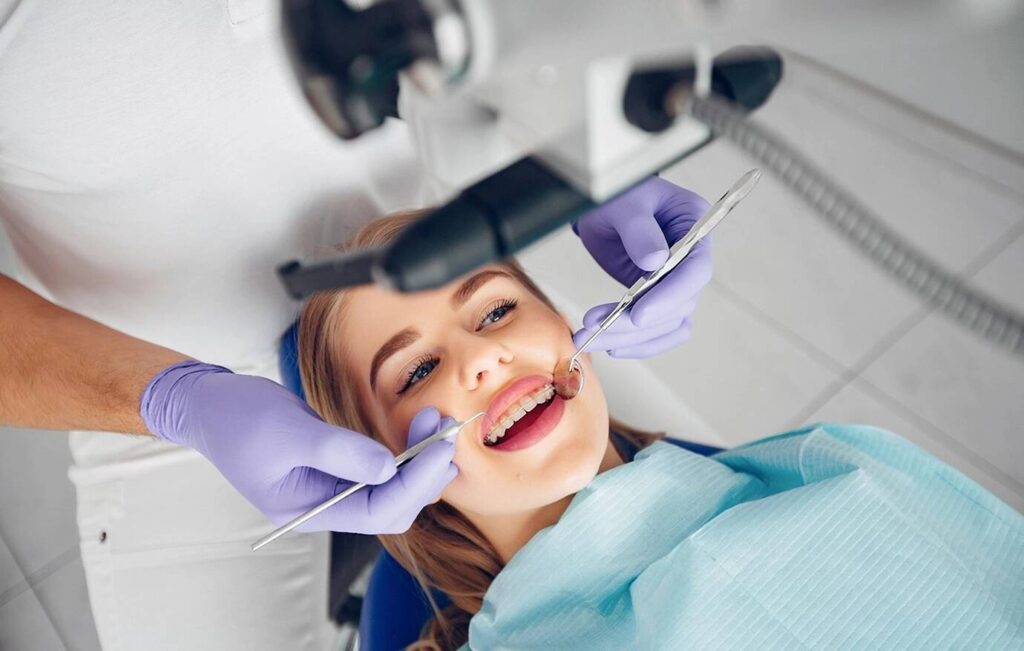
Even with meticulous brushing and flossing, soft plaque inevitably hardens into calculus (tartar) in difficult-to-reach areas. Once tartar forms, it cannot be removed with a standard toothbrush—it requires professional ultrasonic scaling.
- Every 6 months: Book professional cleanings and routine dental examinations twice a year.
- Catch issues early: Routine clinical evaluations detect cavities, hairline enamel fractures, and gingivitis in their earliest, most treatable stages.
- Orthodontic assessment: Regular check-ups allow Dr. Bhavnit to evaluate bite alignment, crowding, and jaw relationships before they worsen.
9. Whiten Safely Under Specialist Dental Guidance
A dazzling white smile is a common desire, but over-the-counter whitening kits, abrasive charcoal powders, and unverified DIY hacks can inflict permanent damage on your teeth.
- Avoid abrasive powders: Coarse pastes permanently scrape off the translucent enamel layer, exposing the yellowish dentin beneath.
- Pre-treatment screening: A specialist will examine your mouth first to ensure you have no active cavities or untreated gum inflammation.
- Customized clinical whitening: Professional in-office whitening or dentist-prescribed take-home trays deliver predictable, long-lasting brightness with minimal sensitivity.
10. Protect Teeth from Grinding (Bruxism) & Sports Trauma
Mechanical wear and sports accidents can crack, chip, or permanently loosen otherwise perfectly healthy teeth. Preventive appliances are an invaluable investment.
- Nightguards for bruxism: If you wake up with jaw soreness, headaches, or flattened enamel, a custom nightguard cushions clenching forces.
- Athletic mouthguards: Always wear a shock-absorbing mouthguard during contact sports like cricket, football, or skating.
- Never use teeth as tools: Avoid biting plastic packaging, opening bottle caps, or crunching on ice cubes or hard candies.
Specialist Advice from Dr. Bhavnit Vaghani:
“A brighter smile is not achieved overnight with shortcuts—it is built through mindful, gentle daily oral hygiene combined with routine preventive visits. When your teeth and gums are genuinely healthy from within, a natural and confident radiance follows effortlessly.”
Conclusion: Start Your Healthy Smile Journey Today
Caring for your teeth is an investment that pays lifelong dividends in self-confidence, youthful appearance, and systemic health. By following these 10 easy tips—brushing thoroughly, flossing daily, drinking plenty of water, and visiting your dentist regularly—you can enjoy a radiant, healthy smile for years to come.